How to Improve English Speaking Skills for Kids Living in Vietnam
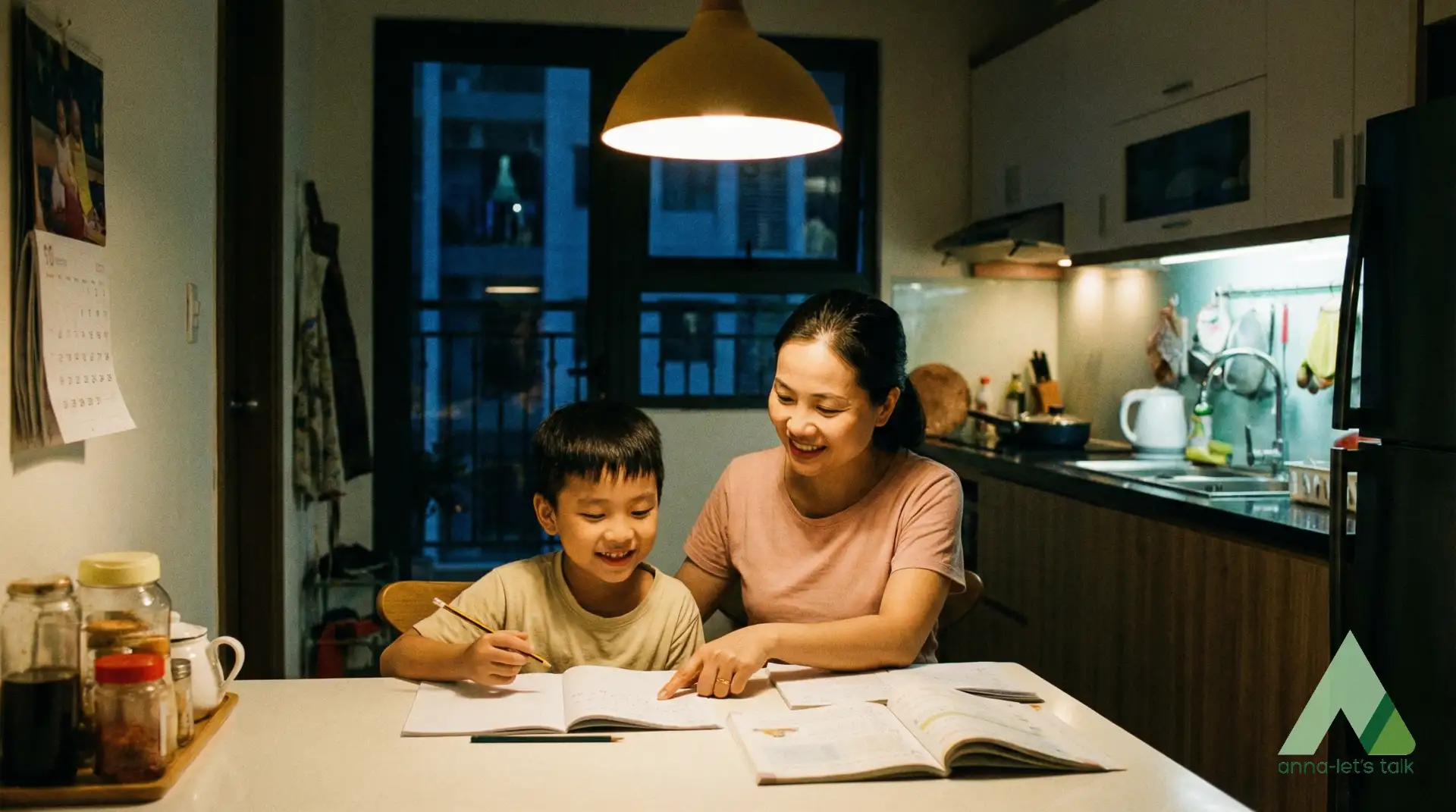
It is 8:30 p.m. Your child finishes homework and finally looks up. You try to keep your voice calm. "Tell me one thing about today... in English." They smile, then stare at the table. After a long pause: "Today... I go... school." Silence again. You want to help, but you also feel the pressure. School moves fast. Homework piles up. Your child "learns English" every week, yet speaking still feels like climbing a wall. This is the moment many parents in Vietnam meet: the gap between studying English and using English out loud.
The real question
When parents ask me how to improve English speaking kids Vietnam, they often focus on "more speaking time."
A better question is simpler:
What should sound different when your child speaks next month?
You can listen for three changes:
- Clarity: people understand them without guessing.
- Length: they can answer with more than one short line.
- Confidence: they keep going even when they make a mistake.
If you build habits that create these three changes, your child's speaking will grow - slowly, steadily, and in a way you can hear.
What parents get wrong about improving speaking
They chase speed instead of control
Many kids try to speak fast because they think "fast = fluent." In reality, rushed speech usually sounds less fluent. Kids drop ending sounds, mix word order, and panic when they forget a word.
Counterintuitive but true: slower, structured speaking often creates stronger long-term fluency than pushing kids to talk more. When kids slow down, they can actually control English.
They blame vocabulary when the real issue is sentences
Your child might know many words, but speaking requires building sentences in real time. Kids in Vietnam often struggle with:
- putting words in English order
- adding one extra detail without breaking the sentence
- connecting ideas with "because," "so," "but"
So the solution is not "more words." It is repeatable sentence practice out loud.
They correct too much and accidentally train silence
If every sentence triggers a correction, your child learns to protect themselves. They speak less to avoid feeling wrong.
Instead, pick one focus per week (one sound, one sentence pattern, or one speaking habit). Let the rest go for now.
The One Clear Sentence Speaking Improvement Approach
To help families build English speaking skills children Vietnam without overwhelm, I use a mindset I call the One Clear Sentence Speaking Improvement Approach. It works because it gives your child one job at a time.
- Start small: one clear sentence your child can say without rushing.
- Grow slowly: add one detail only after the base sentence sounds stable.
- Make it real: add one "speaking move" (a reason, an example, or a question).
- Reflect briefly: listen, notice one thing, and try again.
This approach changes how kids practice. They do not "perform English." They shape it. That shaping builds control, and control builds confidence.
The Vietnam reality for kids learning to speak English
Speaking English for kids in Vietnam often clashes with daily life.
- Big classes mean low speaking time. A child can study for years and still get very few meaningful speaking turns.
- Homework and extra lessons drain energy. Families need short routines that fit normal evenings.
- Test English does not train speaking English. Multiple-choice grammar and writing do not automatically turn into clear, confident speech.
- Fear of mistakes runs deep. Many kids stay quiet because they do not want to be embarrassed.
So parents need a plan that feels safe, quick, and repeatable.
How real improvement shows up over time
Parents often wait for "fluent conversation" and miss real progress. Watch for smaller changes you can hear:
- clearer ending sounds ("cats," "worked," "likes")
- fewer long pauses inside a sentence
- longer answers with one connector ("because...," "so...")
- quick self-fixes ("He go - sorry - he goes...")
- a stronger voice (less whispering)
Two short scenarios show what this can look like in Vietnam:
Minh (7) studies all day and feels tired at night. His mom stops asking big questions. She asks for one clear sentence after shower time. Week 1: "I like noodles." Week 3: "I like noodles because they're tasty." Minh still makes mistakes, but he speaks longer and does not freeze.
Linh (13) gets high test scores but answers speaking questions with "yes/no." Her dad gives her one sentence frame: "I think ___ because ___. For example ___." Linh sounds slow at first. After two weeks, she speaks longer with fewer pauses because she does not fight for word order anymore.
Daily skill-building speaking routines
If you want to improve English fluency children, build a daily routine that trains specific speaking skills: clarity, sentence length, and calm recovery after mistakes. Aim for 10-15 minutes.
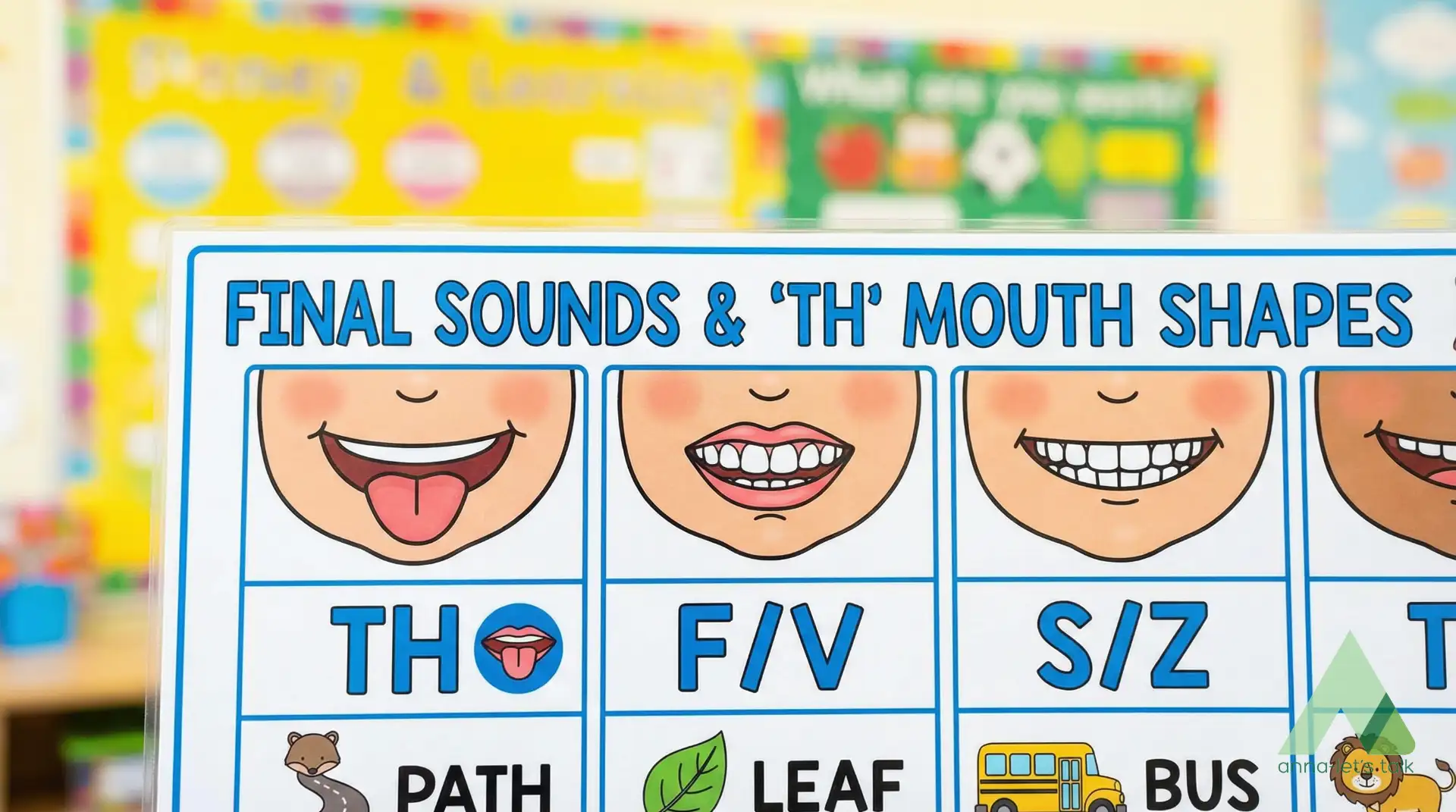
1) Clarity warm-up (2 minutes)
Choose one weekly target and repeat it daily. Keep it tiny:
- one ending sound (/s/ or /t/)
- one tricky sound ("th")
- one pair ("ship/sheep")
Say 5 words and one sentence together. Model first. Let your child copy. Praise clarity, not speed. Observable change: clearer pronunciation and fewer "missing" endings.
For more focused practice, see English Speaking Classes in Nha Trang for Kids and how they build clarity step by step.
2) One clear sentence + one detail (5 minutes)
Pick a real topic from today: food, school, a game, a feeling. Start with one sentence: "I felt tired." Then add one detail: "I felt tired because I had homework."
If your child struggles, give a frame: "I felt ____ because ____."
Observable change: longer answers that stay understandable.
3) Slow-to-smooth speaking (3 minutes)
Ask for "calm speed." One breath per sentence. If the sentence feels too long, shorten it and try again. This helps kids stop racing. They start sounding smoother, even with simple language.
Observable change: fewer pauses and less panic.
4) Repair practice (2 minutes)
Teach three rescue phrases: "Sorry, I mean..." / "Let me try again." / "How do I say...?" Use them once each day. Kids who can repair do not freeze.
Observable change: more confidence and better flow.
5) Conversation move of the week (2-3 minutes)
When you do English conversation practice Vietnam, focus on one speaking move, not "having a long chat."
Choose one:
- give a reason ("because...")
- add an example ("for example...")
- ask one follow-up question ("Why?" "What happened next?")
Observable change: more complete turns and stronger interaction skills.
For a simple habit you can repeat in daily life, see English conversation practice in Nha Trang: a practical family guide.
When progress feels slow (and what to do)
Plateaus happen. School gets busy. Kids get shy. Parents push harder, and speaking gets worse.
When that happens, lower the difficulty and raise the success:
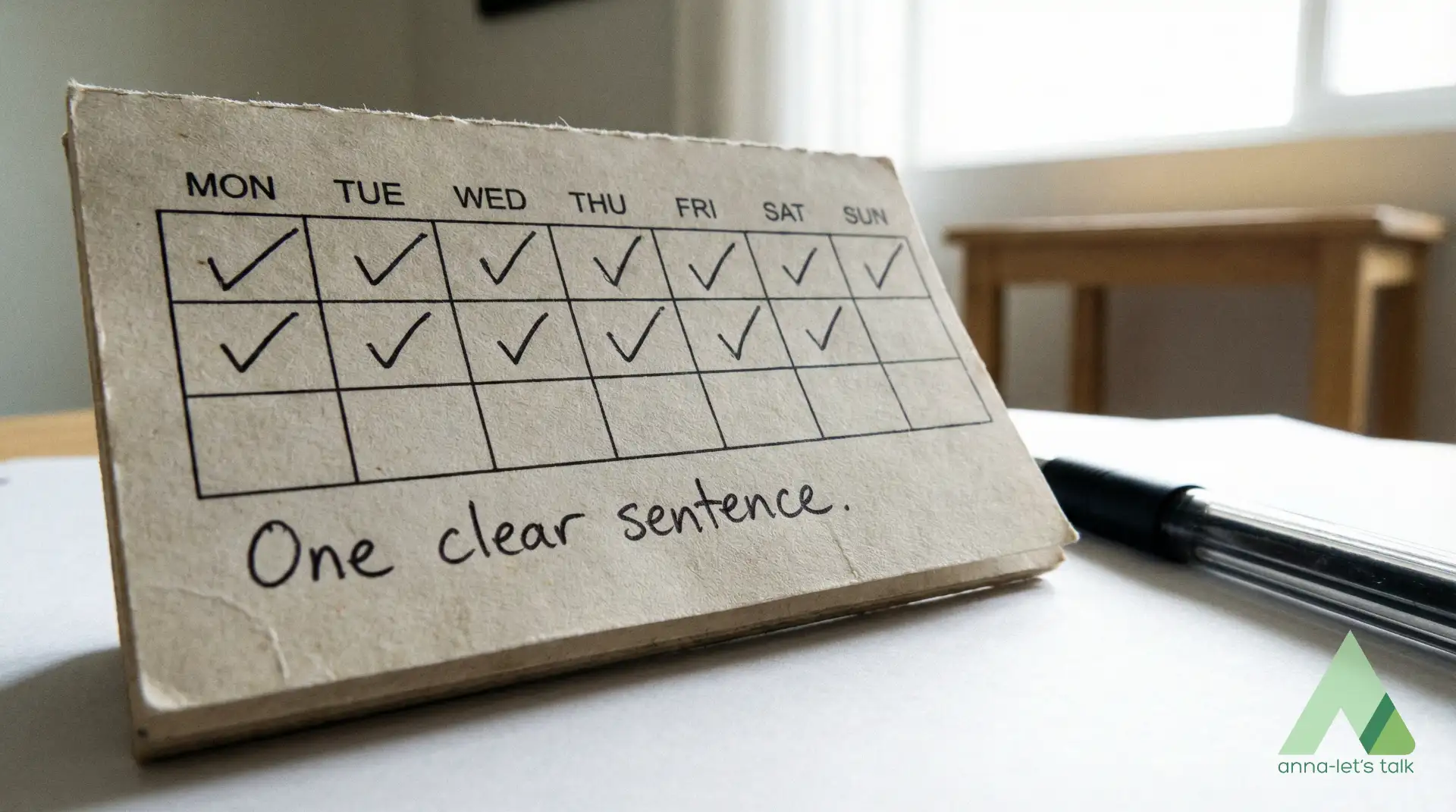
- shorten practice to 5 minutes but do it daily
- repeat the same topic for three days
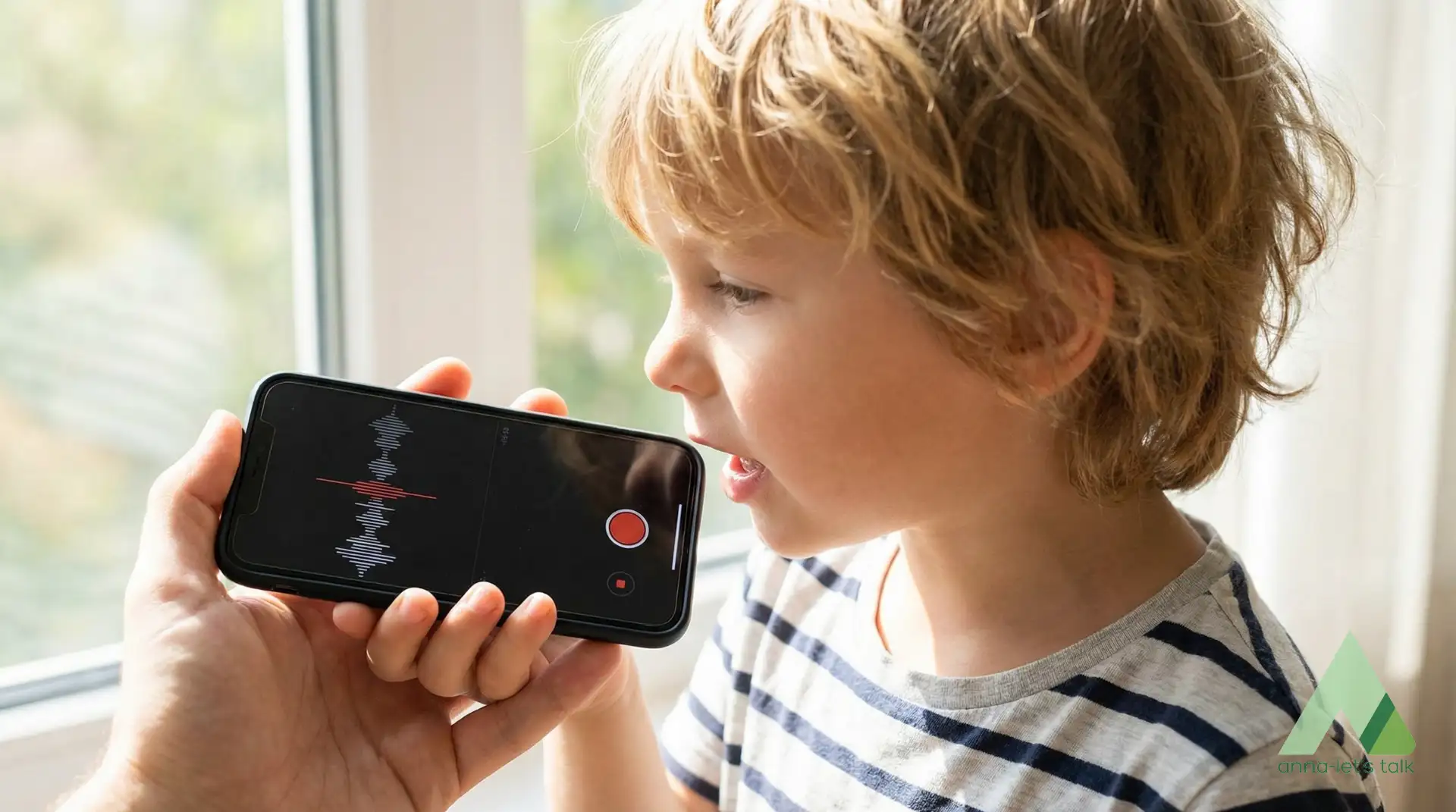
- record 10 seconds and celebrate one improvement (louder voice, clearer ending sound, one longer sentence)
Progress usually returns when your child feels safe and successful again.
FAQ
My child understands English but won't speak. What should I do?
Start with one sentence only. Give the exact frame. Let your child choose the topic. Stop while it still feels easy. Small wins build trust.
Should I correct grammar or pronunciation?
Pick one focus at a time. If you cannot understand your child, fix clarity first. If you can understand them, focus on length or confidence and correct lightly.
How can I help if my English isn't strong?
You can still guide the routine. Use simple frames, model slowly from a short script, and keep the focus on clarity and calm practice. Consistency matters more than perfect English.
Can conversation practice replace structured practice?
Conversation helps kids apply skills, but it will not automatically fix pronunciation, sentence order, or repair habits. Use conversation to practice the skill you trained that day.
If you want more reading on structured speaking support, see English Speaking Classes in Nha Trang for Kids and Why Your Child Needs Conversation English Practice in Nha Trang.
Gentle closing + soft CTA
Your child does not need a huge speaking plan. They need a small, repeatable one. Build one clear sentence. Grow it with one detail. Add one speaking move. Reflect and repeat. Over time, you will hear clearer speech, longer answers, and steadier confidence.
If you would like a teacher's feedback and structured practice, see our English speaking classes for kids in Nha Trang at Anna Let's Talk. We help kids refine pronunciation, build sentence habits, and reflect on their speaking in a supportive way.