Raising Bilingual Kids in Nha Trang Beyond Classes, Day by Day
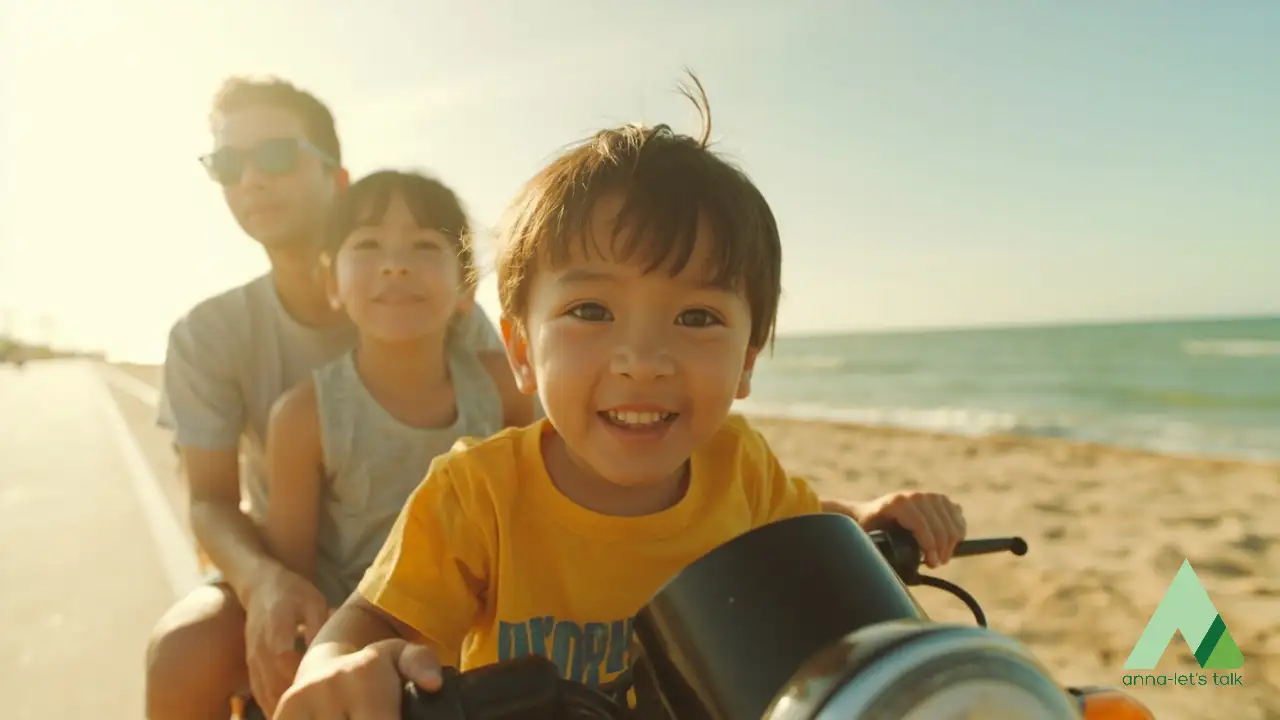
It is 6:20 a.m. on Trần Phú. Your child sits behind you on the scooter, points at the beach, and asks, "Mẹ ơi... can I say good morning?" You feel proud - and then you remember yesterday's English class where they stayed quiet. If you are raising bilingual kids Nha Trang families raise every day, you have probably wondered why "knowing" a language does not automatically turn into speaking. This post stays practical: what to do at home and around town, without adding pressure. If you are still comparing classes, see English speaking classes in Nha Trang for kids.
The Real Question
How do we help our child use two languages with real people in Nha Trang - at home, at school, and out in the city - without turning family time into another lesson?
What Parents Often Get Wrong About Bilingual Development
Here is the counterintuitive insight that saves stress: language mixing usually means your child is communicating, not getting confused.
When a child says, "Con want đi biển" or "Ba ơi, I can't mở cái này," they grab the fastest word to keep the message moving. If you stop them or correct every piece, you teach them that speaking is risky.
Try this instead: answer the idea first, then model a cleaner sentence.
- Child: "Con want đi beach."
- Parent: "You want to go to the beach. Okay - after breakfast."
Bilingual development kids rarely looks neat, especially when they feel tired, shy, or excited. Messy talk often comes right before clearer talk.
The Tide + Anchor Bilingual Mindset Model
In Bilingual education Vietnam, parents often hunt for the "best program." At home, your child grows through something simpler: safety + rhythm. I call it the Tide + Anchor Model, because Nha Trang shows us every day how small, steady returns change a shoreline.
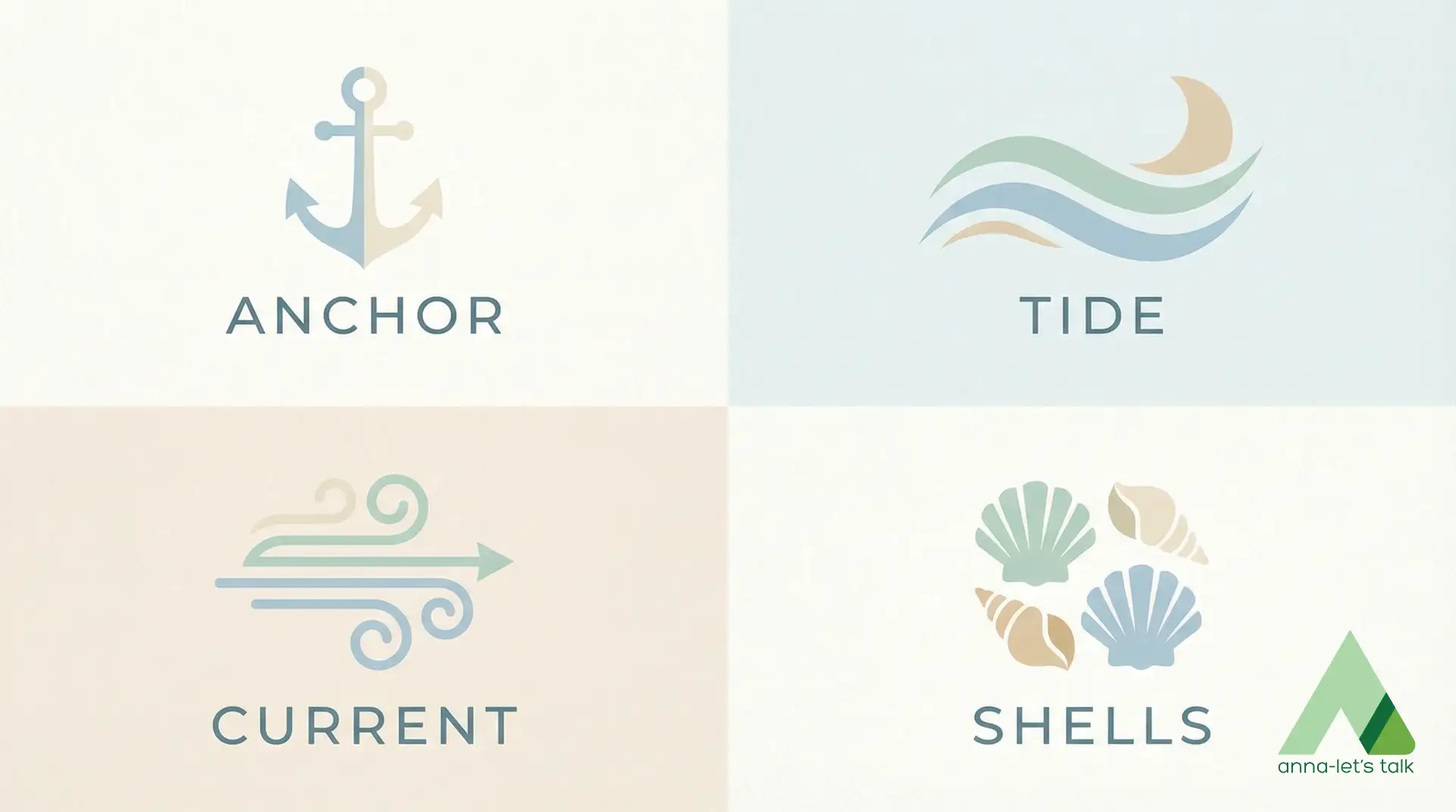
Anchor: Keep speaking emotionally safe
Your child speaks more when they feel safe to be imperfect. Your anchor is your reaction - your face, tone, and patience. If your child fears mistakes, they choose silence.
Tide: Build daily exposure you can repeat
A tide comes back every day. Ten minutes of real talk daily often beats a "big English session" once a week. Look for moments that already exist: meals, bath time, the ride to school, bedtime. If you want a simple structure, see English conversation practice in Nha Trang: a practical family guide.
Current: Give your child a reason to speak
Kids talk when language does a job: choosing, asking, requesting, explaining, greeting. "Practice English" feels vague. "Tell me which snack you want" feels real.
Shells: Collect tiny reflections
A "shell" is a small repeat: one sentence your child says again later. It might be a voice note, a quick retell, or a "teach me that word" moment.
A quick scene you might recognize: A family picks up their five-year-old near Nguyễn Thiện Thuật. Dad asks English questions right away. The child answers in Vietnamese and gets grumpy. They switch to Anchor first - Vietnamese connection, snack, calm - then Current: one easy English choice ("Mango or banana?"). The child answers with one English word. That is a shell.
The Nha Trang advantage for bilingual kids Nha Trang parents can lean on
Nha Trang gives your child something special: a city where languages mix in real life. You hear English in hotel lobbies, on the beach promenade, and at the night market near the sea. Some days you will hear Russian, Korean, or Chinese too. That variety helps English Vietnamese children Nha Trang families raise here understand one truth: people use language to live, not to pass a test.
Still, keep it realistic. Tourists come and go. Conversations stay short. Many kids freeze with strangers even when they talk nonstop at home.
So use Nha Trang for what it does best: small, low-stakes sparks. A wave from a visitor. A "thank you" at a coconut stall. A tiny chat while you wait for bánh căn. Your child does not need daily deep conversations - just repeated proof that speaking is safe. If you want more speaking ideas, see conversation English practice in Nha Trang.

How Bilingual Development Actually Looks at Different Ages
Kids do not follow one timeline, but you can expect phases.
When they are little, you will see more listening than talking
Toddlers often understand more than they say. They copy sounds, sing fragments, and mix words. Keep your sentences short and repeatable.
In preschool years, confidence grows before accuracy
Many kids talk a lot at home and go quiet in groups. They watch first. If you want more speaking, lean on playful routines, not correction.
In early primary school, comparison shows up
Kids start noticing who sounds "good." You might hear "Con không biết" or "I'm bad." Treat that as a feeling. Offer one sentence they can succeed with today.
As they get older, they want respect, not teaching
Older kids often resist "practice" with parents. Keep exchanges short and real - plans, food, opinions, jokes. Let them lead more.
Practical Ways to Support Bilingual Development at Home
You do not need more homework. You need routines that invite speaking and listening in a relaxed way.
Give your day a few "home base" phrases
Pick a handful of phrases you already say and keep them consistent - getting dressed, leaving the house, rinsing off after the beach, bedtime. Predictable language feels safe, so kids reuse it.
Use the ride to school for one gentle question
On the scooter or on foot, ask one simple question that repeats: "What was fun?" "Who did you play with?" If your child answers in Vietnamese, accept it - then model one short English sentence they can copy.
Let your child order something small
Choose a low-pressure place - juice shop, bakery counter, minimart - and give one line: "One ___, please." Stand close. If they freeze, you step in kindly.

Make the beach your speaking playground
Shared focus makes speaking easier. Talk about what you both see: waves, shells, boats, kites. Try one-sentence turns: you say one sentence, your child copies or adds a word.
Create one safe greeting script
Ask if your child wants to try a greeting for tourists or expat neighbors. Practice at home: "Hi!" "Good morning!" "Welcome to Nha Trang!" Then use it only when the moment feels natural.
Turn screen time into a tiny retell
After a short clip, ask, "What happened?" in any language. Then help your child say one part in English. Acting it out often works better than correcting.
Use voice notes when face-to-face feels heavy
Many kids speak more freely in a 10-second Zalo voice note than in front of a parent who waits. Ask for a quick message: "Tell Grandma one thing you did today."
Build a "language buddy" routine
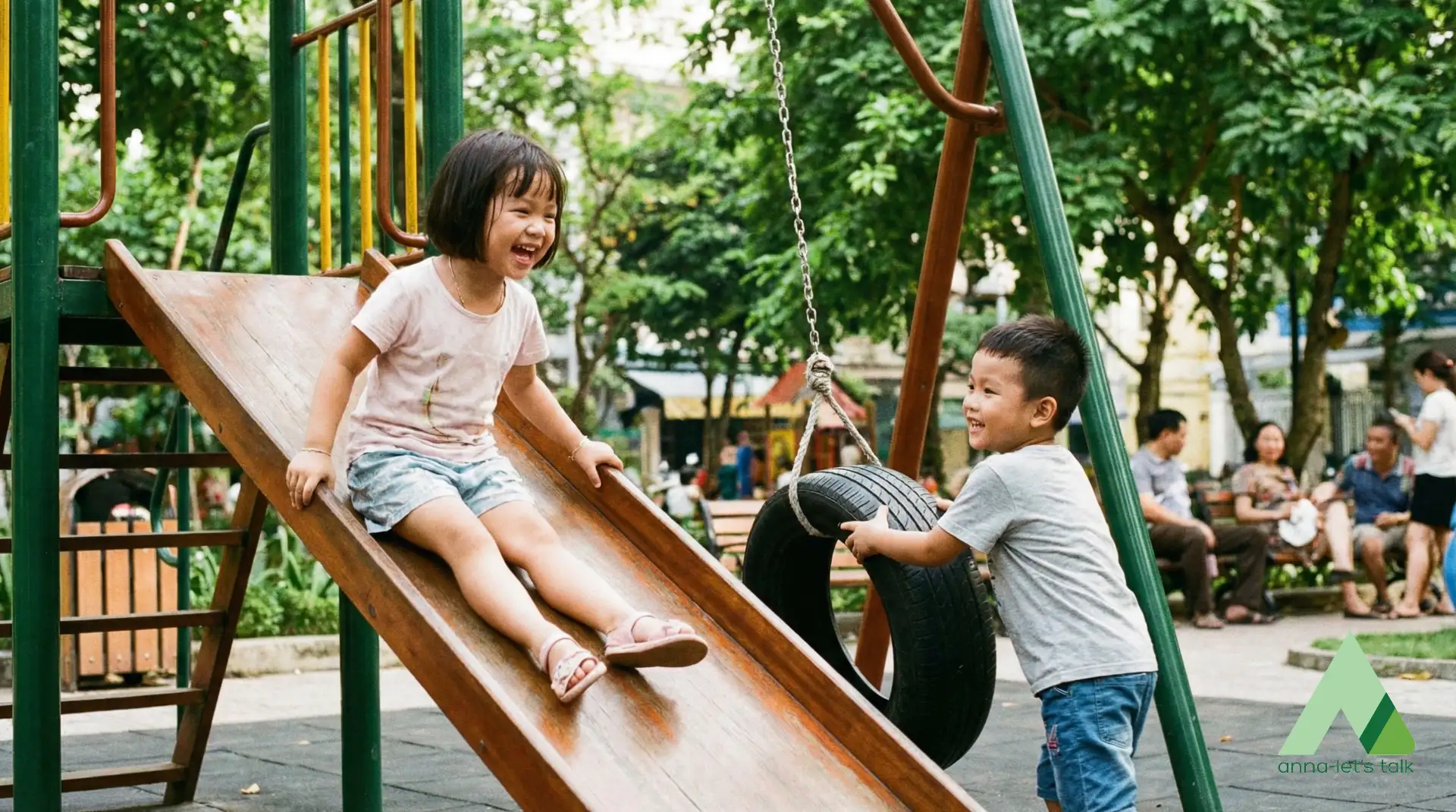
Kids talk more with kids. Meet another family at Công viên Yersin or a nearby playground. Start with a playful five-minute "English warm-up," then let play take over.
Use rainy afternoons for indoor role-play
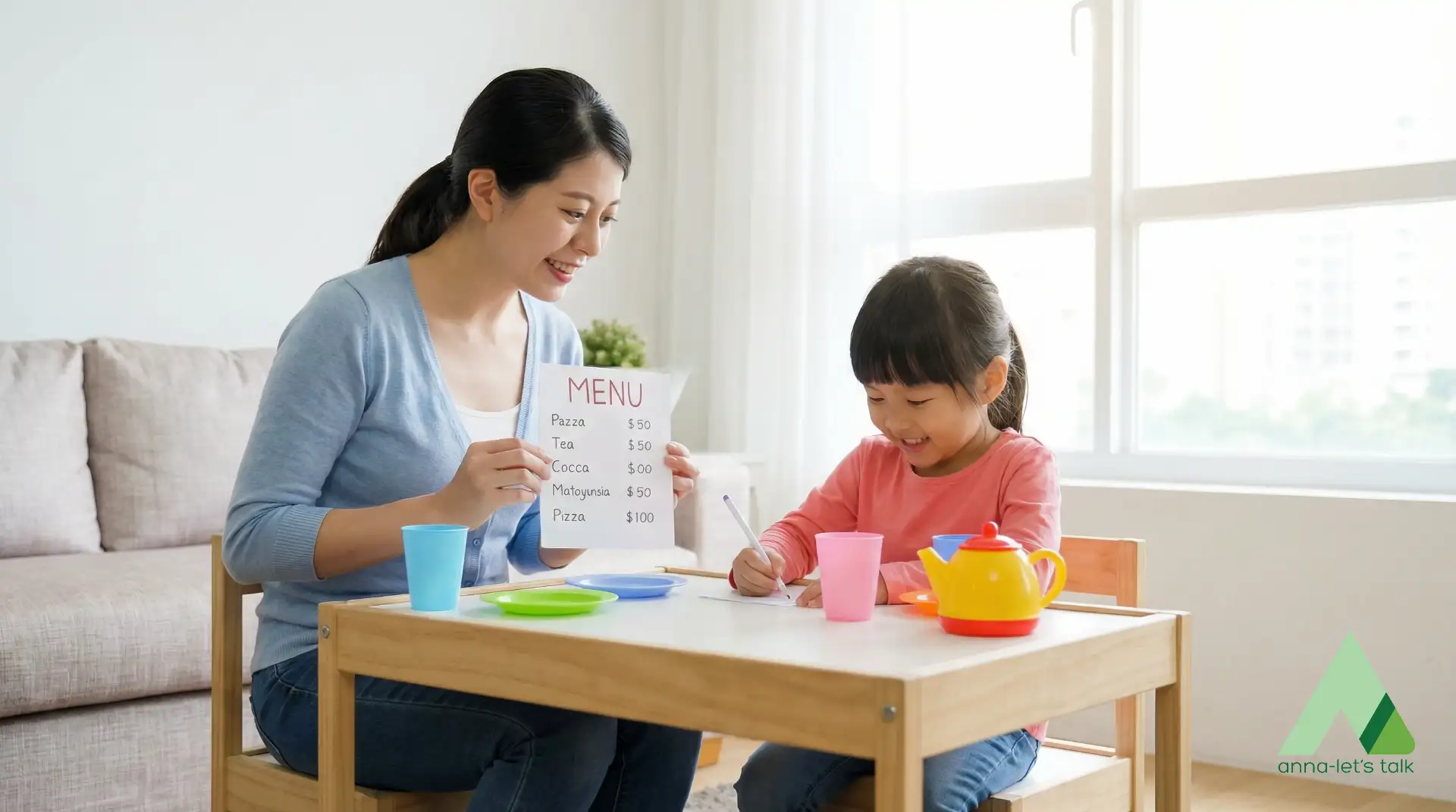
When the rain keeps you inside, role-play real Nha Trang moments: a cafe, a hotel check-in, a mini market. You model two simple lines, your child answers any way they can.
For clearer speech, try simple pronunciation practice for kids in Vietnam and use it inside your role-play lines.
Common Challenges Parents Face (and How to Handle Them)
Resistance after class
If your child says, "Con không học nữa!" they are often saying, "I am tired." Picture this: you pick up your child, stop for a quick bánh mì near the school gate, and the moment you get home they drop the backpack and refuse English. Do not fight that moment. Connect first in the easiest language, share a snack, and let them settle. Then add one tiny English line inside the comfort ("Want water?").
For more support, see conversation English practice in Nha Trang.
Uneven progress between languages
One language often grows faster because it dominates your child's day. Do not panic. Adjust the tide: add a small daily speaking routine in the weaker language, not a big weekly push.
Parents feel insecure about their own English
You do not need perfect English to raise a confident speaker. Use simple sentences you trust, speak slowly, and keep your reaction warm. If you want help, look for guidance that corrects gently and focuses on real conversation.
Language mixing makes parents nervous
Mixing is normal. Respond to meaning first. Model one cleaner sentence. Keep moving.
FAQ
Should we do "one parent, one language"?
It can work, but it is not the only way. Many families do better with stable routines: English during breakfast, Vietnamese during dinner, English during a game, Vietnamese during big feelings.
My child understands English but answers in Vietnamese. Is that okay?
Yes. Understanding usually grows first. Invite short English answers with choices ("Rice or noodles?"). If your child answers in Vietnamese, accept it and model the English version once.
Will strong Vietnamese slow down English?
Usually no. A strong first language often supports the second. Do not treat Vietnamese as the enemy; use it as the anchor.
How much English do we need each day?
Aim for "tide minutes." Ten minutes of relaxed speaking every day often helps more than a long session that creates tension.
What if my child freezes with foreigners?
Freezing is normal. Give a small script they can choose: "Hi," "Sorry," "I don't know." Practice with you first. Do not force surprise conversations.
Do we need to correct every mistake?
No. Too much correction kills confidence. Choose one small thing to model, then let the conversation continue.
Gentle Closing + Soft CTA
Beyond classes, your child becomes bilingual through thousands of tiny moments - most of them ordinary. Keep the Anchor (emotional safety) strong, let the Tide (daily exposure) return, and look for small Currents (real reasons to speak) and Shells (tiny repeats). That is the real work of raising bilingual children in a busy coastal city.
If you want a supportive place to practice speaking confidence and pronunciation with kind feedback, see our English speaking classes for kids in Nha Trang at Anna Let's Talk, focused on real conversation. You can observe a class or let your child try one session and see how they feel. And when you step back into your routine - beach walks, market errands, school runs - you will still have the strongest tool for bilingual kids Nha Trang: everyday connection.